Table of Contents
- 0.1 1. Understanding § 1983 Claims in Civil Rights Violations by Schools
- 0.2 2. Common Constitutional Violations in Schools
- 0.3 3. When Private Schools Become State Actors
- 0.4 4. Who Can Be Sued Under § 1983?
- 0.5 5. Types of Remedies Available
- 0.6 6. Building a Strong § 1983 Case as a Pro Se Litigant
- 0.7 7. When Schools Cross the Line: Examples of Conduct Supporting § 1983 Claims
- 0.8 8. Final Thoughts: Empowering Parents and Students
- 1 Disclaimer (Not Legal Advice)

Civil Rights Violations by Schools: How § 1983 Protects Parents and Students
When a public school or its officials ignore constitutional limits, retaliate against a parent, interfere with custody rights, or mistreat a student, the harm goes far beyond policy disputes. These actions can rise to the level of civil rights violations by schools. Fortunately, federal law provides a clear path for parents and students to seek accountability.
Under 42 U.S.C. § 1983, individuals may sue any state actor, teachers, principals, school resource officers, administrators, and in some circumstances private actors working “under color of state law”, for violating rights secured by the Constitution or federal statutes.
For pro se litigants, understanding how § 1983 works is the first step in holding schools accountable for unlawful conduct.
1. Understanding § 1983 Claims in Civil Rights Violations by Schools
Section 1983 was enacted as part of the Civil Rights Act of 1871. Its purpose is straightforward:
If a state actor violates your federal rights, you have the right to bring a lawsuit in federal court.
To state a valid § 1983 claim, a plaintiff must show:
The defendant acted under color of state law, and
The defendant’s actions violated a right secured by the Constitution or federal law.
In the educational context, this includes:
Public school districts
School officials in their official and individual capacities
School boards
School resource officers
State-funded or state-regulated programs
Private schools acting jointly with state officials
Schools are not immune simply because the misconduct occurs inside an educational environment.
2. Common Constitutional Violations in Schools
A. Fourteenth Amendment – Due Process
Schools often violate due process by:
Removing a student without notice or hearing
Retaliating against a parent exercising custodial rights
Making decisions that infringe parental rights without proper justification
Refusing to allow a parent participation in educational decisions
Withholding records or information affecting the parent-child relationship
The Supreme Court recognizes the fundamental right of parents to control the upbringing, care, and education of their children (Troxel v. Granville, 530 U.S. 57).
Schools that circumvent parental rights or collaborate with one parent against the other may create a valid § 1983 claim.
B. Fourteenth Amendment – Equal Protection
Equal protection violations arise when schools treat parents or students differently based on impermissible factors such as:
Custodial status
Gender
Race
Disability
Religion
Special education needs
- Unequal treatment may also produce civil rights violations by schools when discrimination is intentional or based on protected traits.
If the difference in treatment is intentional and lacks a lawful basis, § 1983 provides a remedy.
C. First Amendment Violations
Common examples include:
Punishing a student or parent for complaining
Retaliation for filing grievances
Restricting speech without compelling reason
Pressuring a parent to remain silent about wrongdoing
- Retaliation is one of the most common civil rights violations by schools, especially when parents speak out about wrongdoing.
Retaliation claims are especially powerful because they focus on motive, not just the underlying act.
D. Fourth Amendment Violations
Students and parents may bring § 1983 claims involving:
Unlawful searches
Unreasonable seizures
Detention of a student without cause
Excessive force by school personnel or officers
- Unlawful searches and seizures in schools frequently trigger federal claims because they constitute civil rights violations by schools acting under state authority.
Schools must still respect constitutional boundaries, even inside the classroom.
3. When Private Schools Become State Actors
Most private schools are not automatically liable under § 1983. However, they can become state actors when they:
Receive state funding (scholarship/voucher programs)
Coordinate disciplinary or educational decisions with state officials
Act jointly with law enforcement or DCF
Carry out responsibilities delegated by the state
Participate in investigative actions on behalf of state agencies
Many parents do not realize that private institutions can still create civil rights violations by schools if they act jointly with public officials.
Courts use tests such as joint action, public function, and state compulsion to determine when a private entity acts “under color of state law.”
If the school’s conduct is intertwined with state authority, it may be treated as a state actor for § 1983 purposes.
4. Who Can Be Sued Under § 1983?
A plaintiff may sue:
Individual officials in their personal capacity for damages
Officials in their official capacity for injunctive or declaratory relief
School districts for policies or customs under Monell v. Department of Social Services
Private actors acting with government officials
Law enforcement assigned to the school
Importantly, school districts are not immune from suit, and officials do not escape liability by claiming they “followed policy” if that policy itself is unconstitutional.
5. Types of Remedies Available
Parents and students may seek:
Compensatory damages
Emotional distress damages
Punitive damages (against individuals)
Declaratory relief
Injunctive relief (forcing the school to stop unlawful behavior)
Attorney’s fees under 42 U.S.C. § 1988
- These remedies are often essential in cases involving civil rights violations by schools because the harm is ongoing and affects family integrity.
In many cases involving parental rights or student mistreatment, equitable relief is just as important as monetary compensation.
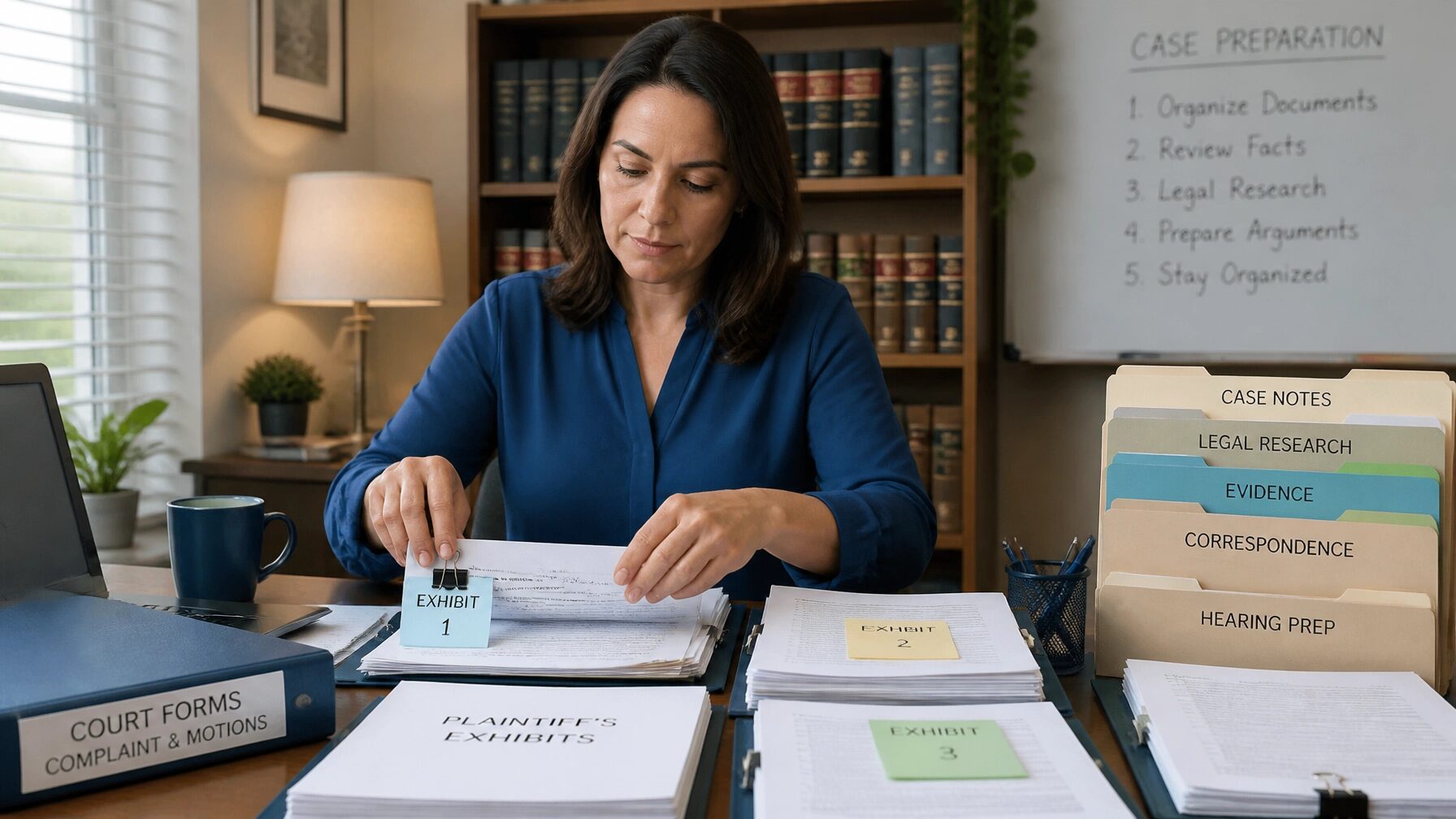
6. Building a Strong § 1983 Case as a Pro Se Litigant
Winning a § 1983 claim requires clear facts and disciplined pleading. Courts expect:
A. Specific constitutional violations
General allegations are not enough. Identify:
What right was violated
Who violated it
When it occurred
What actions caused the violation
- A disciplined approach is the key to proving civil rights violations by schools, especially where multiple officials contributed to the misconduct.
B. A clear connection between each defendant and each act
Each defendant must be tied to specific conduct.
C. Evidence of state action
Show coordination with state officials or use of state authority.
D. Proper damages
Explain the harm caused by each violation.
E. A strong narrative
Courts take § 1983 claims seriously. A well-structured complaint:
Reads professionally
Lays out the timeline
Connects facts to legal standards
Demonstrates persistent, unlawful conduct by school officials
7. When Schools Cross the Line: Examples of Conduct Supporting § 1983 Claims
Here are common scenarios that support federal relief:
A school interferes with a parent’s custody or communication with their child
Officials conspire with one parent to alienate the child from the other
Staff coordinate with DCF or police without legal basis
School restricts access to records or meetings
Students are disciplined without due process
Racially disparate treatment in discipline
Religious discrimination or coerced religious practices
Retaliation for reporting misconduct
Using school resource officers to intimidate parents
Failing to protect a student after promising to do so
All these scenarios demonstrate how civil rights violations by schools can directly impact parental rights, due process, and student safety.
If school conduct goes beyond negligence and becomes intentional, retaliatory, or constitutionally arbitrary, § 1983 may apply.
8. Final Thoughts: Empowering Parents and Students
Schools are entrusted with enormous authority. When that authority is abused, parents and students are not powerless. Section 1983 remains one of the most effective tools to challenge misconduct, force compliance with constitutional protections, and ensure that educational institutions do not operate above the law.
For pro se litigants, the key is understanding how these rights apply, documenting every incident, and presenting a clear, fact-driven case. The courts recognize the vital connection between parental rights, student safety, and constitutional guarantees. When schools step outside those boundaries, federal law provides a path to accountability.
Understanding how civil rights violations by schools occur allows parents and students to respond strategically and assert their federal rights.
Download family law templates here:
https://www.pro-se-coach.com/family-law-form/
External Resources:
Cornell Law School – § 1983 Overview: https://www.law.cornell.edu/uscode/text/42/1983
U.S. Department of Education OCR: https://www.ed.gov/ocr
Disclaimer (Not Legal Advice)
The information provided on this website, including articles, templates, images, and any related content, is for educational and informational purposes only. Nothing here constitutes legal advice, does not create an attorney–client relationship, and should not be relied upon as a substitute for professional legal counsel. Laws vary by state and situation; you should consult a licensed attorney for advice specific to your circumstances. Pro-Se-Coach.com and its content creators are not law firms and do not provide legal representation.